
"Radish Microgreens: The Nutrient-Packed Superfood for Health and Culinary Delight"
- jay smith
- Nov 22, 2023
- 5 min read

Updated: Jan 6, 2024
The Importance of Microgreens: Radishes and Their Health Benefits

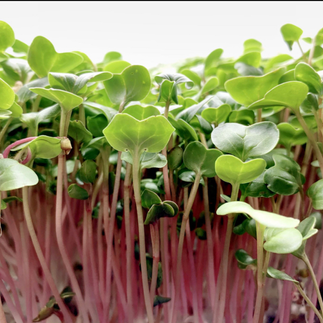
In recent years, the focus on health and nutrition has led to a surge in the consumption of fresh fruits, vegetables, and leafy greens. Among these, microgreens have emerged as a category of vegetables that provide exceptional nutritional elements, imparting health benefits to consumers. Microgreens, including radishes, are recommended as a functional food due to their high concentration of bioactive compounds, such as carotenoids, chlorophylls, and tocopherols, which contribute to their health-promoting properties and included some recipes at the end of this blog post.
Nutritional Quality and Health Benefits of Microgreens

Microgreens, including radishes, are rich in vitamins, minerals, and phytochemicals, making them a valuable addition to a healthy diet. According to a study published in ScienceDirect, microgreens are abundant in essential nutrients such as vitamin C, copper, zinc, carotenoids, and phenolic compounds
.Additionally, radish microgreens are known to include high levels of vitamins A, B, C, E, and K, as well as calcium, iron, magnesium, phosphorus, potassium, and zinc
These nutrient-dense properties make radish microgreens a compelling choice for individuals seeking to enhance their dietary intake and overall well-being.
Radishes are not only a flavorful addition to meals but also offer a range of health benefits. Packed with essential nutrients, radishes are known for their potential to support overall well-being. Here are some of the health benefits of radishes and ways to incorporate them into meals:

Health Benefits of Radishes
Source of Antioxidants: Radishes contain antioxidants like vitamin C, catechin, pyrogallol, and other phenolic compounds, which help fight free radicals in the body and protect against diseases, including cancer
Potential Anti-Fungal Properties: Radishes may have natural anti-fungal compounds that could be effective against certain fungal infections, such as Candida albicans
Support for Heart Health: Radishes are heart-friendly due to their content of sulforaphane and other plant compounds, which help protect the body's cells from the damaging effects of aging and an unhealthy lifestyle
Blood Sugar Management: Chemical compounds in radishes, such as glucosinolate and isothiocyanate, are thought to help manage blood sugar levels and provide energy while potentially lowering glucose intake
Gut Health and Weight Management: Radish leaves are believed to be beneficial for gut health, reducing obesity, and preventing constipation due to their high fiber content
Incorporating Radishes into Meals


Radishes can be incorporated into meals in various ways, adding both flavor and nutritional value. Here are some ideas for including radishes in your diet:
Salads: Sliced radishes can add a refreshing crunch to salads, providing a peppery flavor and vibrant color.
Pickled Radishes: Pickling radishes can enhance their flavor and extend their shelf life, making them a versatile condiment for various dishes.
Roasted Radishes: Roasting radishes can mellow their peppery taste and bring out their natural sweetness, offering a unique twist to this versatile vegetable.
Radish Greens: The greens of radishes are also edible and can be used in salads or sautéed as a nutritious side dish.
Incorporating radishes into meals not only adds a delightful flavor but also provides an array of health benefits, making them a valuable addition to a balanced diet.

Mechanisms for Weight Loss
While specific studies on the weight loss effects of radish microgreens are limited, the broader category of microgreens has been associated with potential weight management benefits. Microgreens, including radish microgreens, are known for their nutrient density, which can help in promoting satiety and reducing overall calorie intake. Additionally, the high fiber content in radish microgreens may contribute to improved digestion and a feeling of fullness, potentially supporting weight management efforts

Incorporating Radish Microgreens for Weight Loss
Incorporating radish microgreens into meals can be a simple and effective way to support weight loss efforts. These microgreens can be added to salads, sandwiches, and smoothies, or used as a garnish for various dishes. Their peppery flavor and crisp texture can enhance the overall eating experience while providing a nutrient boost. Consuming radish microgreens as part of a balanced diet, rich in a variety of fruits, vegetables, lean proteins, and whole grains, can contribute to a holistic approach to weight management.

Conclusion
While direct evidence on the weight loss effects of radish microgreens is limited, their nutrient density and potential health benefits make them a valuable addition to a weight loss diet. By incorporating radish microgreens into meals, individuals can benefit from their nutritional value and potentially support their weight management goals. It's important to consume a diverse range of nutrient-dense foods as part of a balanced diet and to consult with a healthcare professional for personalized weight management advice.

A Few Recipes
This smoothie bowl takes a different approach, featuring a chia pudding base soaked in coconut milk and layered with tropical fruits and radish microgreens for a unique textural and flavorfull experience.
Tropical Chia Pudding Bowl:
1/4 cup chia seeds
1/2 cup coconut milk
1/2 cup mango chunks
1/4 cup pineapple chunks
1/4 cup plain Greek yogurt
1/4 cup radish microgreens
Toasted coconut flakes and granola (optional)
Spicy Korean Radish and Tofu Bowl: This vegetarian delight combines crispy pan-fried tofu with spicy gochujang sauce, crunchy pickled radishes, and fluffy rice for a flavorful and filling dinner. Drizzle with sesame oil and sprinkle with sesame seeds for an extra nutty touch.
ngredients:
For the tofu:
14 oz extra-firm tofu, drained and pressed
1 tablespoon cornstarch
1/4 teaspoon salt
Neutral oil for frying
For the gochujang sauce:
2 tablespoons gochujang (Korean chili paste)
1 tablespoon soy sauce
1 tablespoon rice vinegar
1 tablespoon honey
1 clove garlic, minced
1/2 teaspoon sesame oil
1/4 teaspoon ground ginger
Pinch of black pepper
For the pickled radishes:
4-5 Korean radishes (or daikon radishes), thinly sliced
1/4 cup rice vinegar
1/4 cup water
1 tablespoon sugar
1 teaspoon salt
1/2 teaspoon red pepper flakes (optional)
For the bowl:
1 cup cooked white rice
1/2 cup mixed greens
Sesame seeds, for garnish
Chopped scallions, for garnish (optional)
Instructions:
Prepare the tofu: Cut the tofu into 1-inch cubes. In a bowl, toss the tofu with cornstarch and salt. Heat oil in a pan over medium heat. Fry the tofu until golden brown and crispy on all sides, about 5-7 minutes. Set aside on a paper towel to drain excess oil.
Make the gochujang sauce: In a small bowl, whisk together gochujang, soy sauce, rice vinegar, honey, garlic, sesame oil, ginger, and black pepper.
Pickle the radishes: In a separate bowl, combine rice vinegar, water, sugar, salt, and red pepper flakes (if using). Add the sliced radishes and toss to coat. Let them pickle for at least 30 minutes, or up to overnight.
Assemble the bowls: Divide the cooked rice among bowls. Top with mixed greens, crispy tofu, pickled radishes, and a drizzle of gochujang sauce. Garnish with sesame seeds and chopped scallions (if using).
You can use any type of tofu you like, but extra-firm tofu will hold its shape better in the frying process.
For a spicier sauce, add more gochujang or a pinch of cayenne pepper.
If you don't have Korean radishes, you can use daikon radishes or even thinly sliced cucumbers.
Feel free to customize this bowl with your favorite toppings. Some other options include kimchi, shredded carrots, roasted peanuts, or a fried egg.
This recipe is vegan and gluten-free.
It can be easily adapted to be made ahead of time. Simply prepare the tofu, sauce, and pickled radishes in advance and store them in the refrigerator until ready to serve.
This recipe is a great way to use up leftover cooked rice.


Comments