
The Importance of Microgreens and Growing Your Own Food
- jay smith
- Nov 22, 2023
- 4 min read

I. Introduction


Microgreens have been gaining attention for their exceptional nutritional value and culinary versatility. These tiny, vibrant greens are not only packed with flavor but also offer a concentrated source of essential nutrients. As the interest in healthy eating and sustainable living continues to grow, microgreens have emerged as a popular choice for health-conscious individuals and home gardeners alike.
In this blog post, we will explore the significance of microgreens, their health benefits, and the rewarding experience of growing your own food. By delving into the world of microgreens and home gardening, we can discover the potential for enhancing our well-being and embracing a more sustainable lifestyle
II. Health Benefits of Microgreens

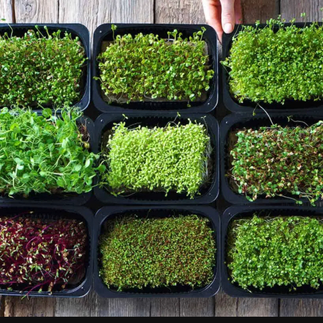
Microgreens are not only visually appealing but also pack a powerful nutritional punch. These young and tender greens are rich in vitamins, minerals, and antioxidants, often surpassing their mature vegetable counterparts in nutritional content. According to a study published in ScienceDirect, microgreens are abundant in essential nutrients such as vitamin C, copper, zinc, carotenoids, and phenolic compounds
Additionally, a review published by the National Center for Biotechnology Information (NCBI) highlights the high concentration of bioactive compounds in microgreens, including carotenoids, chlorophylls, and tocopherols, which contribute to their health-promoting properties
The health benefits of microgreens extend beyond their nutritional content. Research suggests that these tiny greens may offer support in managing Type 2 diabetes, lowering cholesterol levels, and promoting gut health. Cleveland Clinic notes that microgreens contain minerals and phytochemicals that provide additional nutritional value, with many of these nutrients acting as antioxidants, potentially preventing cell damage
Furthermore, a study on the nutritional profile of microgreens indicates that they contain 4 to 40 times the nutrients of mature plant leaves, making them a valuable addition to a healthy diet
III. Growing Microgreens at Home


Growing microgreens at home is a straightforward and rewarding process that offers numerous benefits. Whether you have limited space or a desire to cultivate fresh greens year-round, microgreens are a convenient and versatile option for home gardening. Here's a step-by-step guide on how to grow microgreens at home, along with an exploration of the environmental and sustainability benefits associated with this practice.
Step-by-Step Guide to Growing Microgreens at Home
Selecting Seeds: Choose high-quality seeds from a reputable supplier, ensuring they are suitable for microgreen cultivation.
Preparing Growing Trays: Fill shallow trays with a thin layer of soil or a hydroponic growing medium, ensuring even distribution.
Sowing Seeds: Scatter the seeds evenly over the growing medium, gently pressing them into the soil to promote germination.
Watering and Covering: Mist the seeds with water and cover the trays with a lid or plastic wrap to create a greenhouse-like environment for germination.
Providing Light and Air: Place the trays in a well-lit area, ensuring adequate air circulation to support healthy growth.
Harvesting: After a few days to a couple of weeks, depending on the variety, the microgreens will be ready for harvest. Simply cut them just above the soil line.
Convenience and Suitability for Various Locations
Microgreens can be grown indoors with minimal space and resources, making them an ideal option for urban dwellers or those with limited outdoor gardening space. According to Gardenary, microgreens are forgiving of less-than-ideal conditions, allowing for successful cultivation in a variety of living environments
This versatility enables individuals to enjoy the benefits of homegrown microgreens regardless of their location.
Environmental and Sustainability Benefits
In addition to their nutritional value, growing microgreens at home offers environmental and sustainability benefits. Urban Leaf emphasizes that homegrown microgreens are fresh, reducing the carbon footprint associated with transportation and storage
Furthermore, ingarden highlights the sustainability of microgreens, as they can be easily grown at home year-round, promoting healthy eating and living in a simple and environmentally conscious manner
IV. Living Healthier by Growing Your Own Food


Growing one's own food offers a multitude of benefits, encompassing both personal health and environmental sustainability. The act of cultivating fresh, nutrient-dense produce at home not only promotes healthier dietary choices but also fosters a sense of self-sufficiency and environmental responsibility.
Benefits of Fresh, Nutrient-Dense Produce
Growing one's own food allows for the consumption of fresh, nutrient-dense produce that is often superior in quality to store-bought alternatives. The Garden Continuum emphasizes that healthy, nutrient-dense food comes from plants grown in healthy soils, which can be managed with organic sources to maximize nutrition
Harvard Health notes that backyard gardening can inspire individuals to take an interest in the origins of their food, leading to better choices about what is consumed
This direct connection to the food production process can result in a greater appreciation for the effort involved in bringing food to the table, ultimately enhancing the dining experience and overall satisfaction with meals
Potential Cost Savings and Reduced Environmental Impact
In addition to the personal health benefits, growing one's own food can lead to potential cost savings and reduced environmental impact. Garden Betty highlights that growing food can save money, especially in the face of rising grocery prices, and results in less waste compared to store-bought produce
Furthermore, MiracleGro emphasizes that growing one's own fruits and vegetables reduces the carbon emissions associated with global importing and contributes to a more sustainable food supply chain
Plant Perfect also underscores the environmental benefits of growing one's own food, including reduced carbon emissions and increased self-sufficiency in the face of unpredictable food prices and availability
V. Conclusion


The importance of microgreens and growing one's own food for health and well-being cannot be overstated. Microgreens, often referred to as a "functional food," are rich in bioactive compounds, such as carotenoids, chlorophylls, and tocopherols, which contribute to their health-promoting properties
. These tiny greens are highly recommended for their exceptional nutritional elements, providing valuable health benefits to consumers, especially in the prevention of non-communicable diseases prevalent in today's sedentary lifestyles
.
Studies have shown that microgreens contain up to 40 times the nutrients of mature vegetables, including vitamins C, E, and K, lutein, and beta-carotene
. Their concentrated sources of vitamins, minerals, and antioxidants make them a compelling addition to one's diet, offering a natural and nutrient-dense way to incorporate healthy greens into daily meals
. Furthermore, the ease of cultivation and versatility of microgreens make them a convenient and nutritious superfood that can be easily grown at home year-round
Encouraging readers to explore the benefits of microgreens and consider incorporating them into their diets and home gardening practices is essential for promoting a healthier lifestyle. By embracing the practice of growing microgreens at home, individuals can tap into the power of these remarkable little plants, experiencing the joy and satisfaction of growing their own fresh and nutritious food
. The convenience, nutrient density, and sustainability of microgreens make them an ideal choice for enhancing one's well-being and contributing to a more sustainable and resilient food system


Comments