
Microgreens: The Inflammation-Fighting Secret Weapon Hiding in Your Kitchen
- jay smith
- Nov 24, 2023
- 9 min read

Introduction

In today's health-conscious world, we're constantly seeking natural remedies to combat the myriad of ailments that plague our modern lifestyles. Amidst the growing popularity of superfoods and ancient healing practices, one tiny yet potent contender has emerged as a true champion of anti-inflammatory power: microgreens.
These nutrient-dense seedlings, harvested just days after germination, pack a surprising punch when it comes to fighting inflammation, the underlying culprit behind numerous chronic health conditions. From arthritis and heart disease to digestive issues and skin inflammations, microgreens offer a natural approach to taming the inflammatory storm within our bodies.
But how exactly do these miniature marvels work their magic? And how can we incorporate them into our diets to reap their anti-inflammatory benefits? Prepare to embark on a journey into the world of microgreens, where we'll uncover their secrets, explore their potential, and discover how to harness their power to promote a healthier, inflammation-free you.
Chapter 1: Unveiling the Inflammatory Process and Its Impact on Health

Inflammation, a natural response to injury or infection, is a complex biological process that plays a crucial role in our body's defense mechanisms. When our tissues are damaged or encounter harmful invaders, our immune system springs into action, triggering a cascade of events designed to eliminate the threat and promote healing. This process involves the release of specialized immune cells, inflammatory mediators, and signaling molecules that work together to isolate the damaged area, neutralize pathogens, and initiate tissue repair.
Under normal circumstances, inflammation is a self-limiting process, subsiding once the threat is eliminated and healing is complete. However, when inflammation persists beyond its intended purpose, it can morph into a chronic state, wreaking havoc on our health and contributing to a range of debilitating conditions.
Chronic inflammation, often fueled by unhealthy lifestyle habits, environmental exposures, or underlying medical conditions, becomes a silent saboteur, subtly undermining our well-being from within. It acts as a hidden menace, lurking behind the scenes of various health problems, including:
Arthritis: Chronic inflammation of the joints, leading to pain, stiffness, and reduced mobility.
Heart Disease: Chronic inflammation of the arteries, increasing the risk of atherosclerosis, heart attacks, and strokes.
Digestive Issues: Chronic inflammation of the gut lining, contributing to inflammatory bowel diseases like Crohn's disease and ulcerative colitis.
Skin Inflammations: Chronic inflammation of the skin, manifesting as conditions like eczema and psoriasis.
The pervasive nature of chronic inflammation highlights the importance of understanding its mechanisms and identifying strategies to combat its detrimental effects. While conventional treatments often rely on pharmaceuticals that can have side effects, the search for natural anti-inflammatory remedies has led to the discovery of a powerful ally: microgreens.
Chapter 3: Unveiling the Anti-inflammatory Properties of Microgreens

Emerging from the shadows of culinary obscurity, microgreens have taken center stage as nutritional powerhouses, offering a wealth of health benefits, including their remarkable anti-inflammatory properties. These tiny seedlings, harvested at their peak nutritional value, harbor an impressive array of compounds that work synergistically to combat inflammation and promote overall well-being.
1. Antioxidant Arsenal:
Microgreens are brimming with antioxidants, nature's defense against inflammation-causing free radicals. These free radicals, unstable molecules that can damage cells and contribute to inflammation, are effectively neutralized by microgreens' antioxidant arsenal. Among these antioxidants, sulforaphane, a compound abundant in broccoli and radish microgreens, stands out for its potent anti-inflammatory effects. Studies have demonstrated its ability to reduce inflammation in various models of inflammatory diseases.
2. Omega-3 Fatty Acid Abundance:
Omega-3 fatty acids, particularly EPA and DHA, play a crucial role in modulating inflammation. Microgreens, such as sunflower and flaxseed, are rich sources of these beneficial fatty acids. Omega-3s work by interfering with the production of inflammatory mediators, effectively taming the inflammatory response.
3. Antibacterial and Antimicrobial Properties:
Certain microgreens, like radish and mustard, possess antibacterial and antimicrobial properties. These properties indirectly contribute to inflammation reduction by combating infections and preventing the release of inflammatory molecules from activated immune cells.

4. Sulforaphane and Kaempferol Synergism:
Kale microgreens, a nutrient-dense powerhouse, contain sulforaphane and kaempferol, two compounds that work in synergy to combat inflammation. Sulforaphane inhibits the production of inflammatory mediators, while kaempferol reduces the activity of enzymes involved in the inflammatory process.
5. Anthocyanin Power:
Red cabbage microgreens are rich in anthocyanins, pigments that not only impart their vibrant color but also possess anti-inflammatory properties. Anthocyanins work by neutralizing free radicals and preventing the activation of inflammatory pathways.
The anti-inflammatory properties of microgreens are not limited to these mechanisms; ongoing research is continuously unveiling new pathways through which these tiny seedlings exert their beneficial effects. With each discovery, microgreens further solidify their position as potent allies in the fight against inflammation.
Chapter 4: Exploring the Potential Benefits of Microgreens for Inflammatory Conditions
As research into the anti-inflammatory properties of microgreens continues to expand, so does the evidence of their potential benefits in various inflammatory conditions. These tiny nutritional powerhouses are not only packed with antioxidants, omega-3 fatty acids, and other anti-inflammatory compounds, but they also offer a comprehensive approach to addressing inflammation at its root.
1. Arthritis: Alleviating Joint Pain and Inflammation
For those suffering from arthritis, the chronic inflammation that plagues their joints, microgreens offer a glimmer of hope. Studies have shown that broccoli and radish microgreens, in particular, may help reduce joint pain and inflammation associated with arthritis. Their anti-inflammatory compounds work to suppress the production of inflammatory mediators, easing the discomfort and improving joint mobility.
2. Heart Disease: Reducing Cardiovascular Risk by Taming Inflammation
Chronic inflammation plays a significant role in the development of heart disease, increasing the risk of atherosclerosis, heart attacks, and strokes. Microgreens, with their ability to modulate inflammation, may offer a promising strategy to reduce cardiovascular risk. By targeting the underlying inflammatory processes, microgreens can help protect against the damaging effects of chronic inflammation on the heart and blood vessels.
3. Inflammatory Bowel Disease (IBD): Alleviating Symptoms and Improving Gut Health
Inflammatory bowel diseases, such as Crohn's disease and ulcerative colitis, are characterized by chronic inflammation of the digestive tract. Microgreens, with their anti-inflammatory and antioxidant properties, hold promise for alleviating symptoms and improving gut health in individuals with IBD. Studies suggest that microgreens may help reduce inflammation in the gut lining, promote healing, and improve overall gut function.
4. Skin Inflammation: Reducing Skin Irritation and Promoting Healing
Skin inflammations, such as eczema and psoriasis, are characterized by red, itchy patches of skin that can be painful and uncomfortable. Microgreens, particularly red cabbage and kale, may offer a natural approach to reducing skin inflammation. Their anti-inflammatory and antioxidant properties can help soothe irritated skin, promote healing, and reduce the appearance of inflammatory lesions.
5. Overall Inflammation Reduction: Promoting a Healthy Inflammatory Balance
The anti-inflammatory properties of microgreens extend beyond specific conditions, offering a holistic approach to promoting a healthy inflammatory balance within the body. By incorporating microgreens into a balanced diet, individuals can reap the benefits of their anti-inflammatory compounds, potentially reducing overall inflammation and promoting overall well-being.
As research continues to unveil the multifaceted benefits of microgreens in combating inflammation, their potential as a natural anti-inflammatory remedy continues to grow. Their ability to target the underlying mechanisms of inflammation, coupled with their abundance of nutrients, makes microgreens a valuable addition to a health-promoting lifestyle.
Chapter 5: Incorporating Microgreens and Supplements into Your Diet for Optimal Health
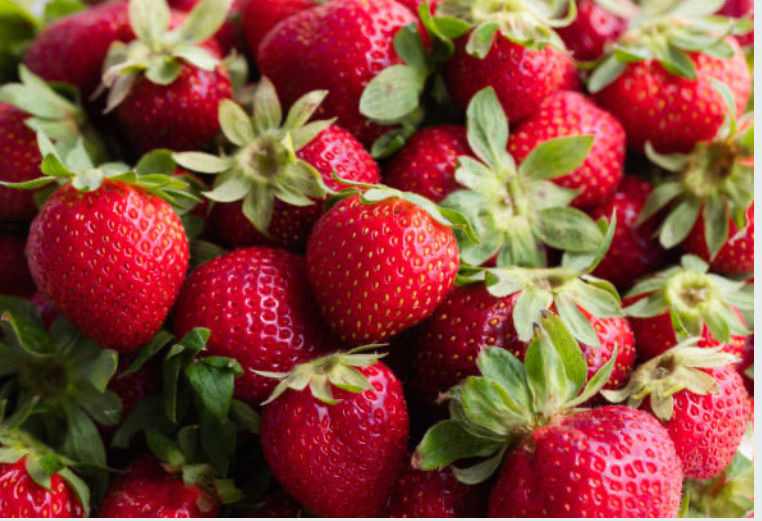
As we delve into the world of microgreens and their anti-inflammatory potential, it's crucial to explore practical ways to incorporate these nutritional powerhouses into our diets. By seamlessly integrating microgreens into our daily meals and snacks, we can harness their anti-inflammatory benefits and reap the rewards of a healthier lifestyle.
1. Salad Enhancement: A Nutrient Boost with Peppery Flavor
Salads provide an excellent canvas for incorporating microgreens. Whether you prefer classic Caesar salads, vibrant Mediterranean salads, or hearty grain salads, a sprinkle of microgreens adds a burst of flavor, texture, and nutrients. Their peppery taste complements a variety of dressings and ingredients, making them a versatile addition to your salad repertoire.
2. Blended Bliss: Nutrient-Packed Smoothies
Smoothies offer a quick and convenient way to incorporate microgreens into your diet. Simply blend your favorite leafy greens, fruits, and yogurt, and add a handful of microgreens for a nutrient boost. The microgreens' subtle flavor will blend seamlessly with the other ingredients, providing a nutritional punch without overpowering the taste.
3. Sandwich Sprouts: Extra Flavor and Nutrients
Sandwiches, a staple in many households, can be transformed into nutrient-rich fare with the addition of microgreens. Whether you're crafting a classic grilled cheese or a gourmet sandwich with artisanal bread and gourmet fillings, a sprinkle of microgreens adds a peppery kick, extra flavor, and a boost of nutrients.
4. Garnishing Goodness: Enhancing Soups, Stews, and Other Dishes
Microgreens can elevate the visual appeal and nutritional value of various dishes, from hearty soups and stews to stir-fries and pasta dishes. Simply garnish your favorite dish with a generous handful of microgreens just before serving. Their vibrant colors and delicate texture add a touch of elegance and a surge of nutrients.
5. Juicing for a Concentrated Source of Nutrients
For those seeking a concentrated source of microgreens' nutrients, juicing offers a viable option. While juicing extracts the juice from microgreens, it's important to note that you may lose some of the fiber content. Combine microgreens with other fruits and vegetables for a nutrient-packed juice that provides a quick and convenient way to reap their benefits.
6. Exploring Anti-inflammatory Supplements
While microgreens offer a natural source of anti-inflammatory compounds, supplements can be considered for individuals seeking additional support in managing inflammation. Consult with your healthcare professional to determine the most appropriate supplements for your individual needs.
7. Consult a Healthcare Professional for Personalized Guidance
Before incorporating any supplements or making significant dietary changes, it's crucial to consult with your healthcare professional. They can assess your individual health needs, provide personalized guidance, and ensure that any supplements or dietary changes align with your overall health goals.

By incorporating microgreens and supplements into a balanced diet and lifestyle, we can effectively combat inflammation, promote overall well-being, and pave the way to a healthier, more vibrant existence. Remember, consistency is key – regular consumption of microgreens and supplements will yield the most significant benefits for your health.
Chapter 6: Exploring Anti-inflammatory Supplements
As we continue our exploration of inflammation and its impact on our health, it's important to consider the role of supplements in managing this complex process. While microgreens offer a natural and nutrient-rich source of anti-inflammatory compounds, supplements can provide additional support for individuals seeking more comprehensive strategies to combat inflammation.
1. Omega-3 Fatty Acids: Essential for Inflammation Modulation
Omega-3 fatty acids, particularly eicosapentaenoic acid (EPA) and docosahexaenoic acid (DHA), play a crucial role in modulating inflammation. These fatty acids work by interfering with the production of inflammatory mediators, effectively reducing the inflammatory response. Supplements containing EPA and DHA can be a valuable addition for individuals with chronic inflammation.
2. Curcumin: A Potent Antioxidant and Anti-inflammatory Compound
Curcumin, a polyphenolic compound found in turmeric, has garnered significant attention for its potent antioxidant and anti-inflammatory properties. Studies have demonstrated its ability to inhibit the production of inflammatory mediators, reduce oxidative stress, and protect against inflammation-related damage. Curcumin supplements can be particularly beneficial for individuals with inflammatory conditions like arthritis and inflammatory bowel disease.
3. Boswellia Serrata: A Traditional Herbal Remedy for Inflammation
Boswellia serrata, a resin obtained from the Boswellia trees, has been used in traditional medicine for centuries to treat inflammation. Its anti-inflammatory properties are attributed to boswellic acids, compounds that inhibit the production of inflammatory mediators and reduce joint pain and swelling. Boswellia serrata supplements may offer benefits for individuals with arthritis and other inflammatory conditions.
4. Bromelain: An Enzyme with Anti-inflammatory Potential
Bromelain, an enzyme found in pineapple, has demonstrated anti-inflammatory properties in both animal and human studies. It works by inhibiting the production of inflammatory mediators and promoting tissue healing. Bromelain supplements may provide benefits for individuals with arthritis, muscle soreness, and other inflammatory conditions.
5. Cat's Claw: A Traditional Vine with Anti-inflammatory Properties
Cat's claw, a vine native to the Amazon rainforest, has been used in traditional medicine for its anti-inflammatory properties. Studies suggest that cat's claw may inhibit the production of inflammatory mediators and reduce inflammation associated with arthritis and other conditions. Cat's claw supplements may offer additional benefits for immune system support.
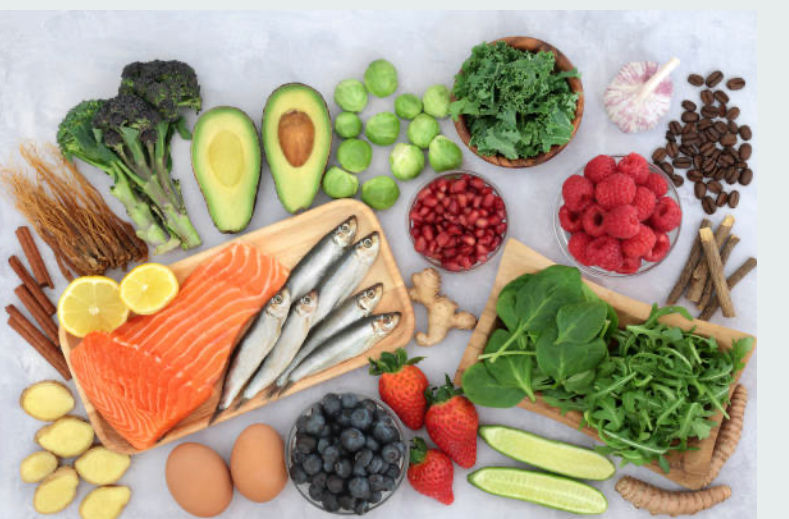
6. Vitamin E: An Antioxidant with Anti-inflammatory Effects
Vitamin E, a fat-soluble vitamin, is a potent antioxidant that can protect against inflammation-causing free radicals. While vitamin E can be obtained from dietary sources, supplements may be beneficial for individuals with low dietary intake or those with specific health conditions. Vitamin E supplements may offer benefits for reducing inflammation associated with heart disease, arthritis, and other conditions.
7. Ginger: A Common Spice with Anti-inflammatory Properties
Ginger, a commonly used spice, has been shown to possess anti-inflammatory properties. Its anti-inflammatory effects are attributed to gingerol, a compound that inhibits the production of inflammatory mediators. Ginger supplements may offer benefits for reducing inflammation associated with arthritis, muscle soreness, and other conditions.
8. Turmeric: A Culinary Staple with Potent Anti-inflammatory Properties
Turmeric, a spice commonly used in Indian cuisine, is a rich source of curcumin, a potent anti-inflammatory compound. Curcumin has been extensively studied for its ability to combat inflammation in various conditions, including arthritis, heart disease, and inflammatory bowel disease. Turmeric supplements can provide a concentrated source of curcumin, making them a valuable addition for individuals seeking comprehensive anti-inflammatory support.
9. Consulting with a Healthcare Professional for Personalized Guidance
Before incorporating any supplements into your diet, it's crucial to consult with your healthcare professional. They can assess your individual health needs, identify potential interactions with medications, and recommend the most appropriate supplements for your specific condition and overall health goals.
Remember, supplements are not a substitute for a healthy lifestyle. A balanced diet, regular exercise, and stress management are essential components of a comprehensive approach to managing inflammation and promoting overall well-being. By combining these strategies with the judicious use of supplements, you can effectively combat inflammation, optimize your health, and embrace a healthier, more vibrant life.
Conclusion: Embracing a Healthier, Inflammation-Free You
As we conclude our journey into the world of microgreens and their remarkable anti-inflammatory potential, we stand at a crossroads, empowered with the knowledge to make informed choices that can transform our health. Chronic inflammation, a silent saboteur lurking within our bodies, can be effectively countered with a holistic approach that embraces nature's bounty and empowers us to take charge of our well-being.
Microgreens, these tiny nutritional powerhouses, have emerged as a beacon of hope in the fight against inflammation. Their abundance of antioxidants, omega-3 fatty acids, and other anti-inflammatory compounds offers a natural and effective way to combat inflammation at its root. By incorporating microgreens into our daily meals and snacks, we can seamlessly integrate their benefits into our lifestyles, reaping the rewards of a healthier, inflammation-free existence.
While microgreens stand as a cornerstone of our anti-inflammatory arsenal, supplements can provide additional support for individuals seeking more comprehensive strategies to manage inflammation. Omega-3 fatty acids, curcumin, Boswellia serrata, bromelain, cat's claw, vitamin E, ginger, and turmeric, each with their unique anti-inflammatory properties, can be considered as valuable allies in our quest for a healthier, inflammation-free life.
However, as we embark on this journey, we must not overlook the importance of a holistic approach to health. A balanced diet, rich in nutrient-dense foods, regular physical activity, and effective stress management practices are essential components of a comprehensive anti-inflammatory strategy. By combining these lifestyle elements with the judicious use of microgreens and supplements, we can create a synergistic effect that empowers us to optimize our health and well-being.
Remember, the journey towards a healthier, inflammation-free you is a continuous process, a commitment to self-care and conscious choices that prioritize your well-being. Embrace the power


Comments